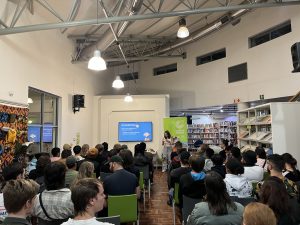
At Disputed People Games, game development doesn’t begin with a line of code but with curiosity. As the studio cooks up its new indie title, the team has launched a structured internal initiative called Play Dates.
This isn’t just a gaming break, but a deep dive into the most influential indie classics and modern hits. Each week, the studio splits into two teams, each led by a captain, to play through a curated rotation. Following each session, the team has structured feedback discussions that cover the visual aspects, mechanics, marketing strategy, and audio immersion. The team is currently dissecting a diverse portfolio of indie classics that define emotional narrative, minimalist design, and mechanical mystery.
Their internal indie review includes:
- That Dragon, Cancer: Emotional vulnerability and narrative weight.
- Relooted: Modern indie loops and execution.
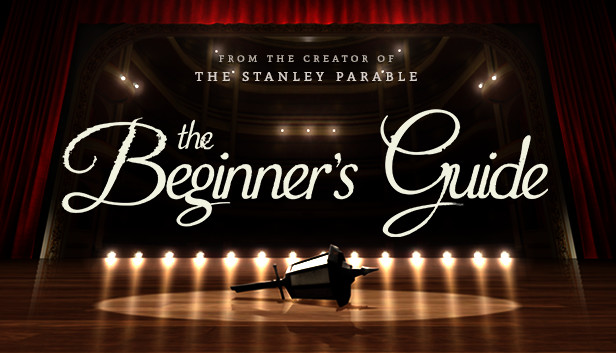
- The Beginner’s Guide and The Stanley Parable: Meta-narrative and the player designer relationship.
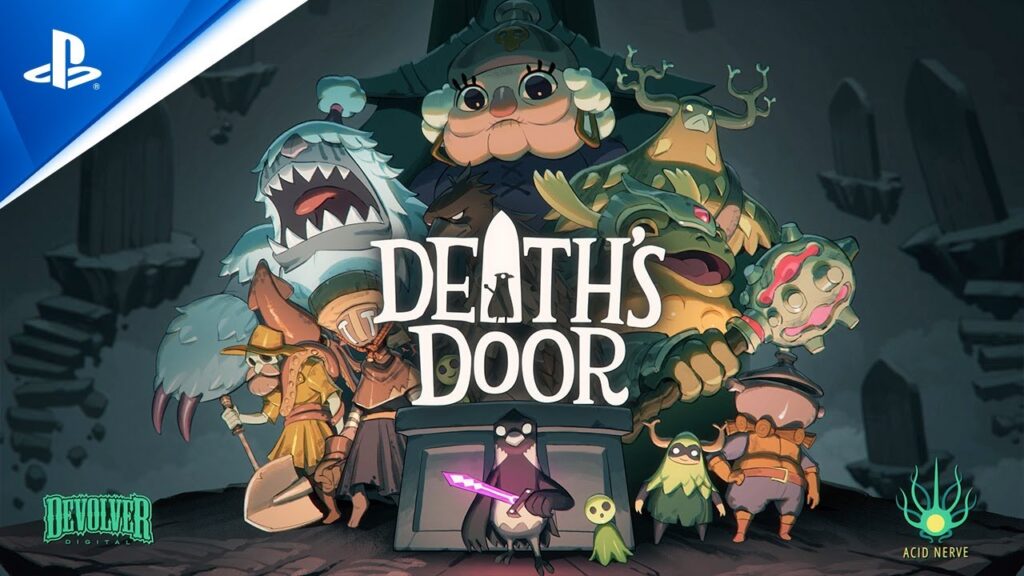
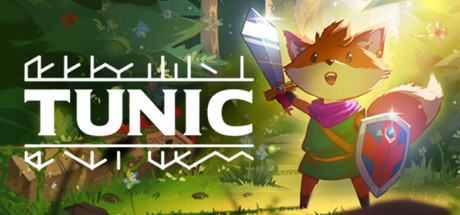
- Tunic and Death’s Door: Combat clarity, level design, and mechanical design.
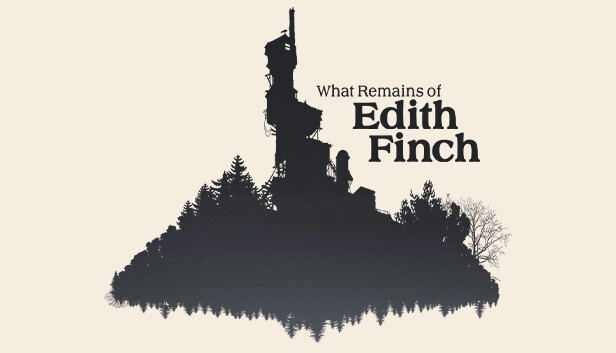
- What Remains of Edith Finch: Environmental storytelling and domestic surrealism.

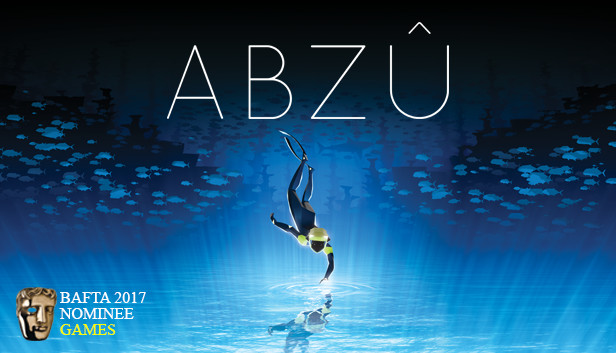
The indie space rewards authenticity and tight execution. Games like Tunic and Death’s Door demonstrate that precision and world identity matter more than scale. Narrative experiences like Journey and What Remains of Edith Finch prove that emotional resonance outlasts visual display.
By playing and dissecting indie games, Disputed People Games is strengthening its design language, refining its aesthetic instincts, and aligning the team around a shared understanding of quality. For now, Disputed People Games is in study mode, learning from the giants of indie storytelling, exploration design, and mechanical elegance, because if you want to contribute meaningfully to indie games, you must first understand what made them unforgettable.